

Thought leadership
Building Resilience in the Age of AI
12 December 2025
#AIResilience #DigitalTrust #ResponsibleAI
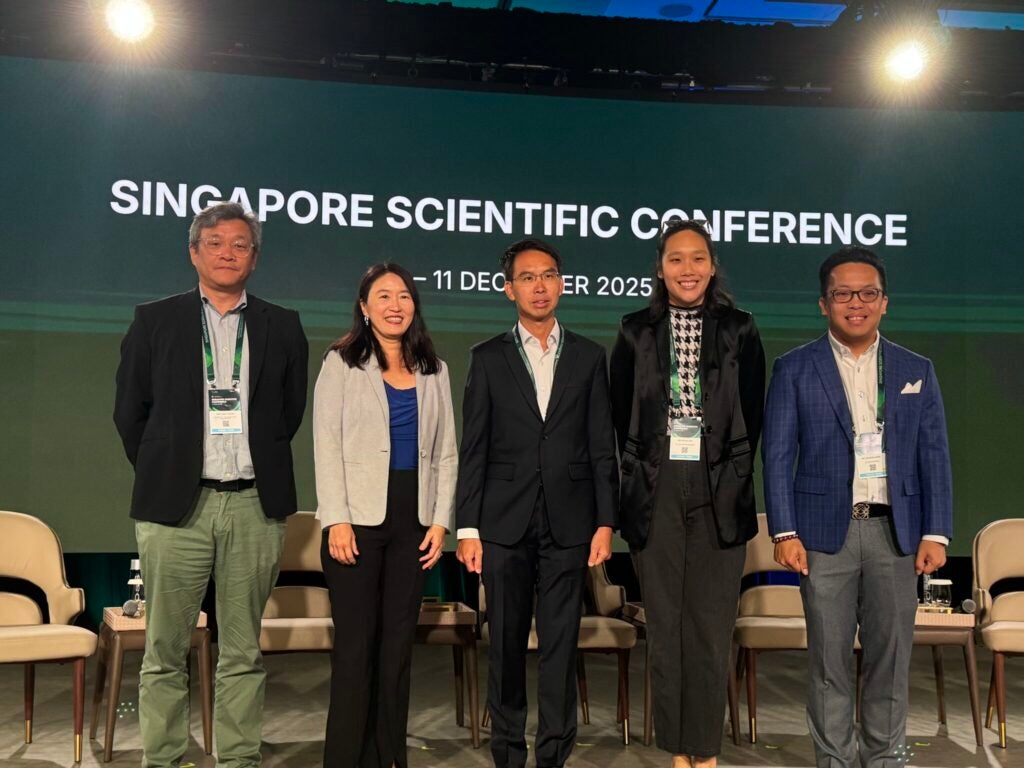
Professor Hahn Jungpil argues that artificial intelligence has evolved beyond being a productivity tool and is becoming a cognitive environment that shapes how people think, interact, and make decisions. While AI presents enormous opportunities for innovation, it also introduces new vulnerabilities related to trust, identity, emotional wellbeing, and the integrity of information. As AI becomes increasingly integrated into everyday life, societies must rethink how resilience is built in an environment where distinguishing between authentic and synthetic content becomes more difficult.
The discussion highlights several emerging risks that require greater attention, including the psychological impact of AI companions, the growing threat of hyper-realistic deepfakes, and increasingly sophisticated AI-enabled scams. Professor Hahn emphasizes that these challenges cannot be addressed solely through technological solutions. Instead, governments, researchers, and organizations need to anticipate future risks, strengthen public awareness, and develop long-term strategies that protect both individuals and institutions from AI-driven harms.
Looking ahead, Professor Hahn calls for the development of an “authenticity infrastructure” that enables people to verify information and maintain trust in a digital world increasingly populated by AI-generated content. He argues that resilience in the AI era is no longer just about detecting threats after they emerge, but about redesigning societal norms, institutions, and verification practices to preserve trust and ensure that AI benefits society while minimizing its risks.
KEY TAKEAWAYS
- AI is reshaping trust and society, not just improving productivity.
As AI becomes embedded in daily life, it influences how people think, make decisions, and interact, creating new challenges around trust, authenticity, and human behaviour. - Building resilience requires more than better technology.
Addressing AI-driven risks such as deepfakes, scams, and misinformation demands a combination of governance, public awareness, ethical AI practices, and collaboration between governments, industry, and academia. - The future depends on creating trusted AI ecosystems.
Societies need robust mechanisms to verify the authenticity of digital content and ensure AI is deployed responsibly, helping preserve public trust while maximizing AI’s benefits.
MORE ON THOUGHT LEADERSHIP
Preparing professionals for the AI-Driven Future of Work
Thought leadership Preparing Professionals for the AI-Driven Future of Work 16 July 2026 #FutureOfWork #AI #TalentTransformation Artificial intelligence is rapidly reshaping the future of work, transforming the skills employers seek

Strengthening collaboration for responsible AI innovation between Singapore and Swenen
Insights HUB Strengthening Singapore–Sweden Collaboration for Responsible AI Innovation 15 May 2026 #ResponsibleAI #SingaporeSweden #AIInnovation The Royal Swedish Academy of Engineering Sciences (IVA) delegation visited NUS College to exchange ideas