Insights Hub

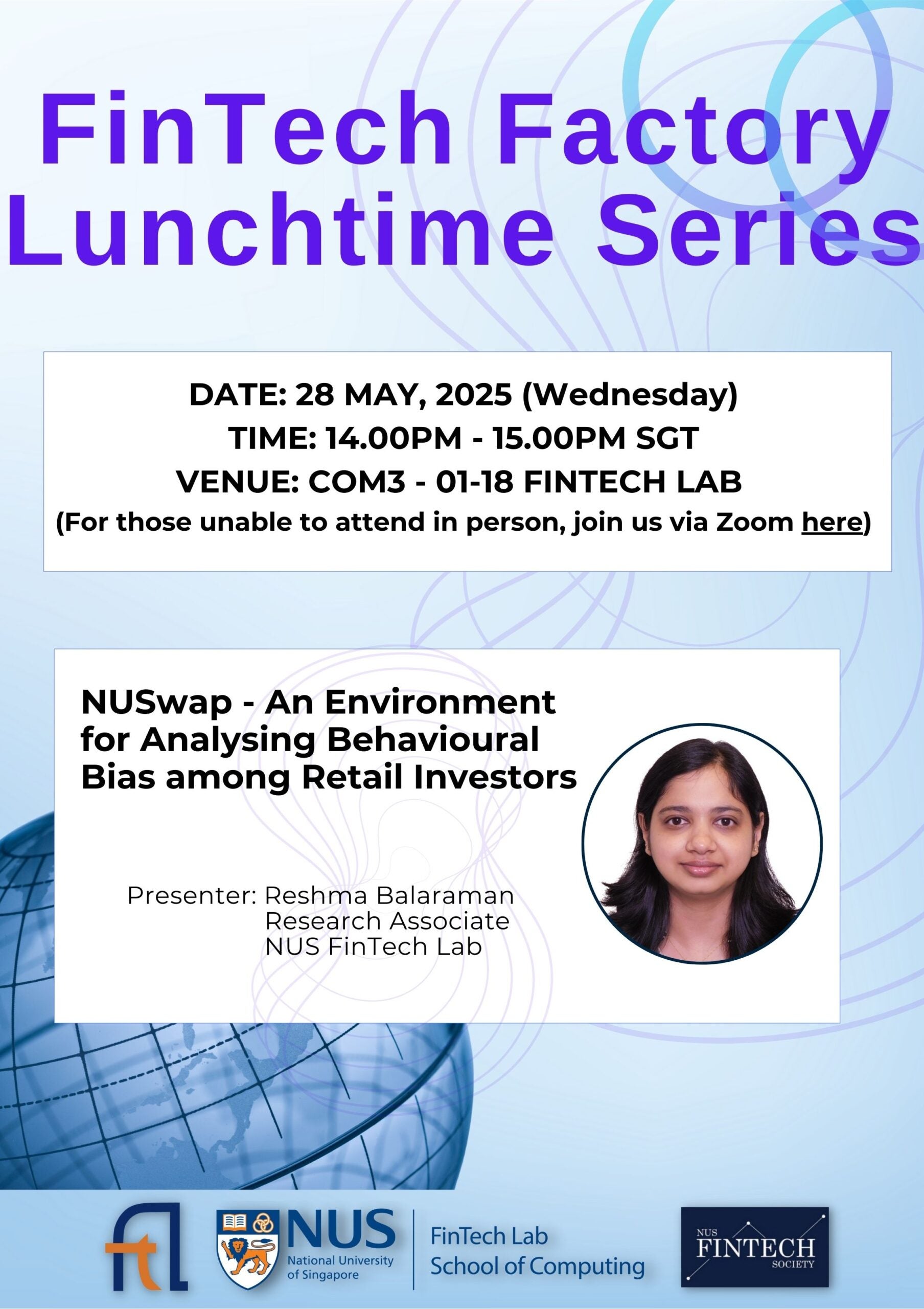
FinTech Factory LunchTime Series – 7

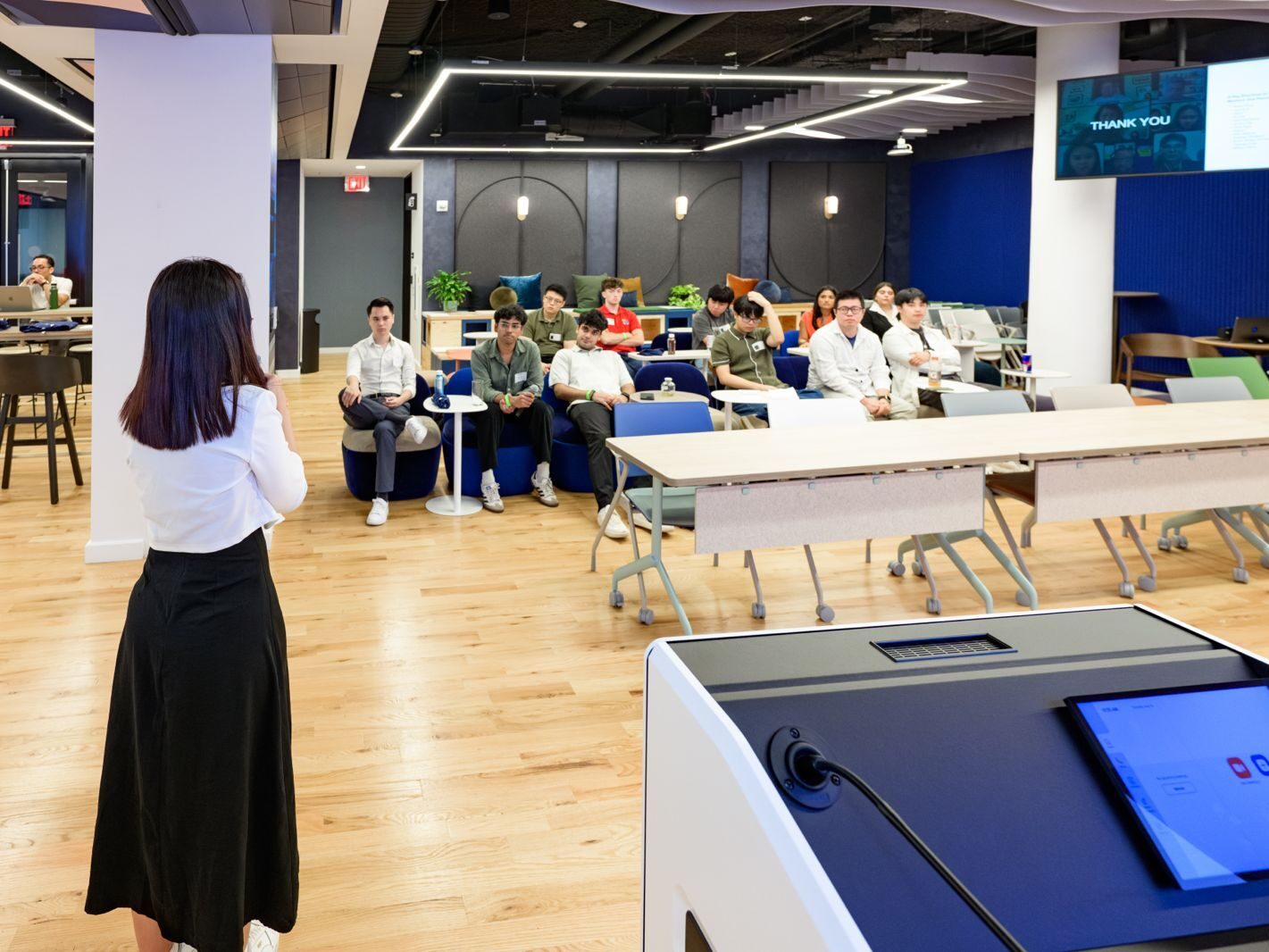
We’re excited to host the next session of our FinTechFactory Lunchtime Series with

“Unbrowse Agentic Web”

Date: 19 November, 2025 (Wednesday)
Time: 02:00 PM to 03:00 PM SGT
Presenters:  Lewis Tham – NUS undergrad student

This session introduces Unbrowse, a compatibility layer that enables autonomous agents to interact seamlessly with the open internet. We will explore the practical challenges encountered while building this system—from handling diverse web environments to ensuring reliability and safety at scale. The discussion will also highlight key lessons learned, design considerations, and emerging opportunities for agent-based automation. Participants will gain an inside look at how Unbrowse bridges the gap between agents and real-world web interfaces.

Sign up here to join the session.  

Can’t join us in person? Join via Zoom

Congratulations to the NUS FinTech Society Team at ETH Rome 2025!

Congratulations to our FTS representatives for their incredible showing at ETH Rome 2025! From October 17-19, our members took away 4 prizes and demonstrated immense focus and creativity, reflecting the society’s deep talent and offering a glimpse into the future of blockchain.

Let’s hear from the team about their experience.

ETH Rome 2025

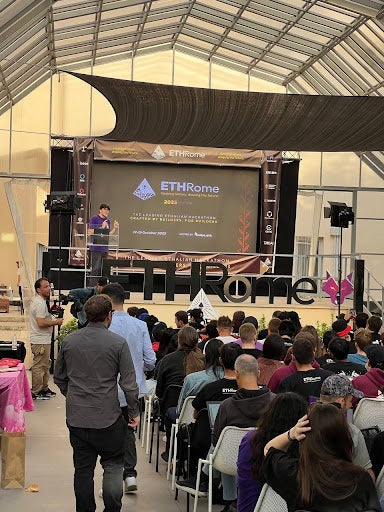
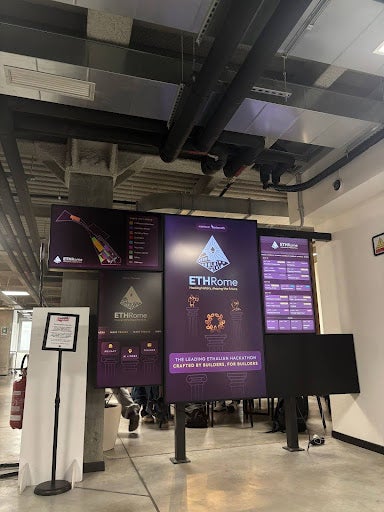
Billed as the “leading ETHalian Hackathon crafted by builders, for builders,” ETH Rome 2025 invited developers to the vibrant Talent Garden Roma. The event focused on Web3’s most pressing challenges, with key tracks in AI, DeFi, and Privacy, and featured a prize pool exceeding $60,000 USD.

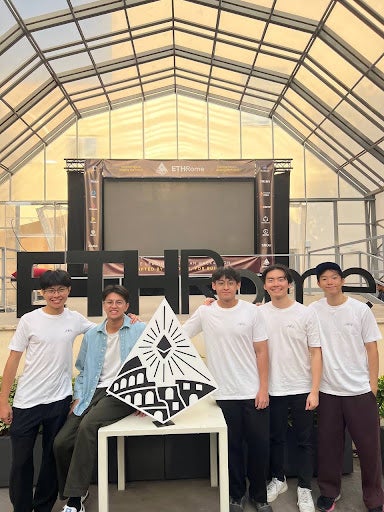
Left to right: Chu Wei Rong, Jefferson Lee Chun Yin, Jeriel Chan Zhi Yang, Poh Say Keong, Lim Teng Hong (Kevin)

The Process

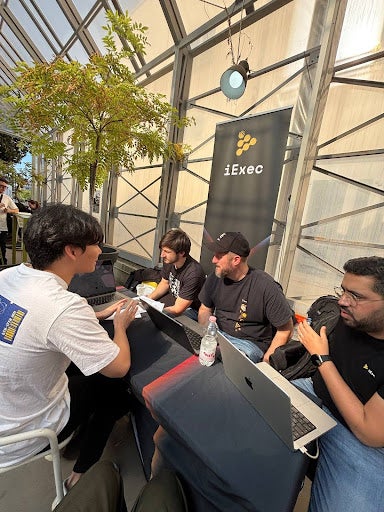
In the midst of a beautiful Roman autumn, five representatives from NUS FinTech Society hacked tirelessly, all as solo developers. The hackathon officially kickstarted on the evening of October 17th, but our efforts began long before the flight to Rome. Once the tracks were announced, we started brainstorming ideas and reaching out to mentors and sponsors, including teams from Civic, iExec, ENS, and Base, to explore the problem statements and technical details.

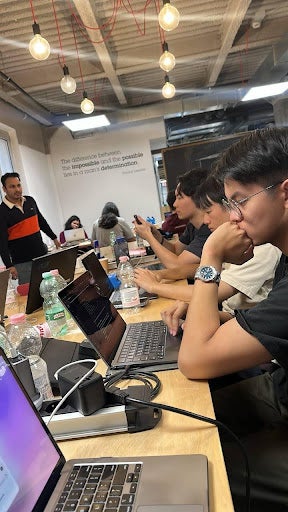
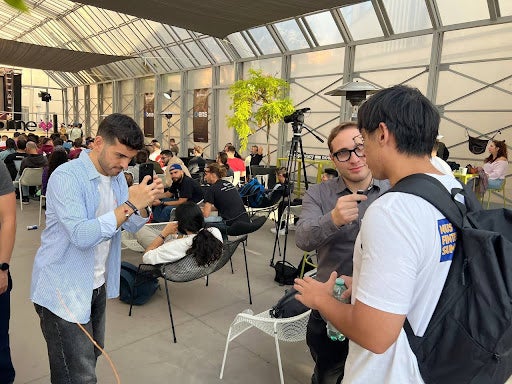
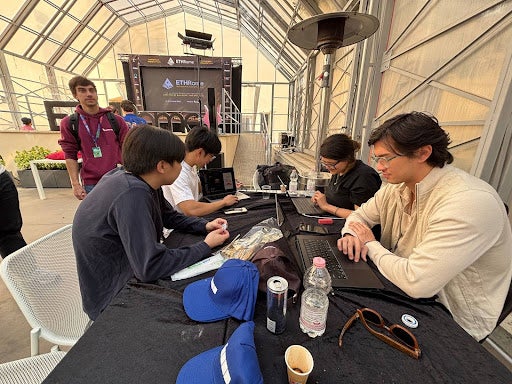
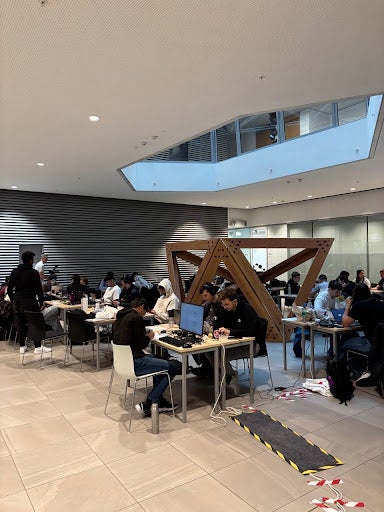
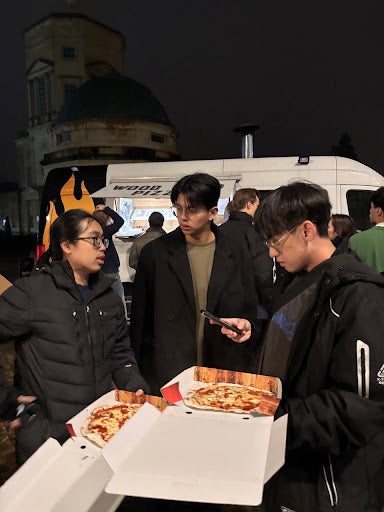
The hacking environment at Talent Garden Roma was amazing. It was a fantastic opportunity to meet with fellow hackers and friends in the Web3 ecosystem. We even managed to reunite with hackers we met in previous hackathons like ETHOxford! The venue was beaming with life day and night, and it seemed people did not sleep at all. The organizing team also kept us fueled with amazing Roman food, from pizza and lasagna to pasta and, of course, gelato!

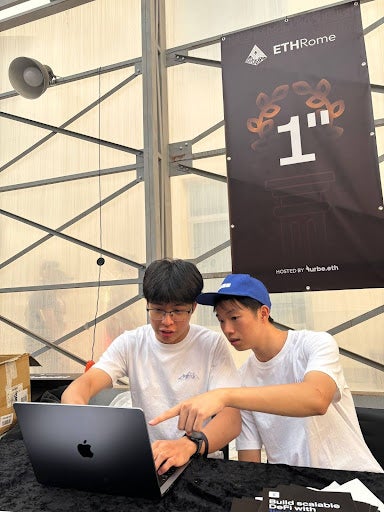
The final night before the deadline was a true test of endurance. We barely slept, pushing to get our products fully functional. Sustained by caffeine and pure adrenaline, we battled broken codes and last-minute bugs. After more than 24 hours straight without sleep, we finally shipped our projects right at the 10 a.m. deadline.

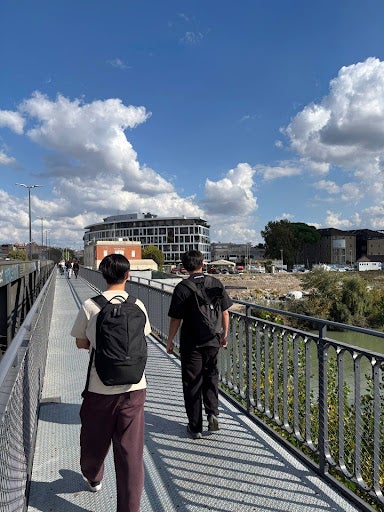
After the intense hacking, we celebrated by walking into the mesmerizing, dreamy sunset toward the Colosseum and ended the night with the best carbonara ever. Hearsay Jeff finished his first plate in 2 minutes and ordered another one straightaway.

The Outcome

These are the 5 projects built by our solo hackers.

Smart Nexus

Civic 1st Place

An AI-powered Web3 chatbot that identifies smart money token movements through Nansen AI MCP integration and executes instant token swaps via 1inch API, all secured through Civic Auth Web3’s embedded wallet for seamless transaction signing.

GitHub Link: https://github.com/jefflcy/ethrome-2025

Hackathon Submission: https://taikai.network/ethrome/hackathons/2025/projects/cmgx6tmzh02e412kk0klkxcds/idea

ExecSwap

iExec 3rd Place

A secure, privacy-preserving vault that lets users swap ERC20 tokens via cryptographic commitments and withdraw safely while tracking balances off-chain.

GitHub Link: https://github.com/PohSayKeong/ExecSwap

Hackathon Submission: https://taikai.network/ethrome/hackathons/2025/projects/cmgwj3q5z01vn12kk2hwdveye/idea

Munus

Civic 2nd Place

Chat-native job marketplace where AI agents coordinate workflow and Base blockchain secures trustless payments. Post jobs in XMTP group chats, authenticate with Civic, deliver work with attestation and get paid instantly on Base L2.

GitHub Link: https://github.com/Nimastic/Munus

Hackathon Submission: https://taikai.network/ethrome/hackathons/2025/projects/cmgxalmsy01zc8697b7iyvwbi/idea

Trick or TrETH

ENS Pool Prize

On-chain trick or treating where you design your own costume or judge others who visited you! A fun and intuitive way to celebrate this Halloween on crypto.

GitHub Link: https://github.com/wr1159/ethrome-2025

Hackathon Submission: https://taikai.network/ethrome/hackathons/2025/projects/cmgxal4br01lz1nb96rqwxppk/idea

BasePay MiniApp

A mini app on the Base app that allows merchants and users to leverage existing QR code infrastructure to deal and transact in stablecoins.

GitHub Link: https://github.com/lim-4158/BasePay-MiniApp

Hackathon Submission: https://taikai.network/ethrome/hackathons/2025/projects/cmgwujcpd01ms8697evyvddxq/idea 

Quotes

What stood out during this trip was how competitive the Web3 development scene is in Italy, as there was a month-long "hack village" prior to the hackathon where hackers stayed together and attended workshops held there, and then collectively worked on some projects to hone their skills. As such, we faced immense competition from locals that were already well in the zone and ready to hack over the weekend. Luckily, as there were various bounties to compete for, we shortlisted them accordingly and innovated extensively on bold ideas that could stand out and secure prizes with the new tech stacks from the bounty sponsors.

My experience at ETHRome was nothing short of amazing. Across the 3 days, i had the opportunity to network and attend workshops where i gained a better understanding of the sponsor's underlying blockchain technology. I iterated on my project after receiving feedback, and line by line, built a project that the sponsor felt has real business use case. As the popular saying goes, Rome wasn’t built in a day, but Munus was built in 3.

Mamamia!

Participating in EthRome has expanded my knowledge in the field of blockchain and especially DeFi. Through experimentation and research, I built a protocol to facilitate trading on the blockchain directly. I have also learnt more about how trusted execution environments can be integrated into Dapps to create new and innovative privacy solutions.

ETHRome opened up my eyes to how competitors used AI in assisting their hackathon submission effectively. There I realised that since execution of most projects no longer becomes a problem with the help of AI, we must all learn to become more critical and creative thinkers to come up with standout ideas or build an even more technically challenging solution.

Gallery

FinTech Factory LunchTime Series – 6

We’re excited to host the next session of our FinTechFactory Lunchtime Series with

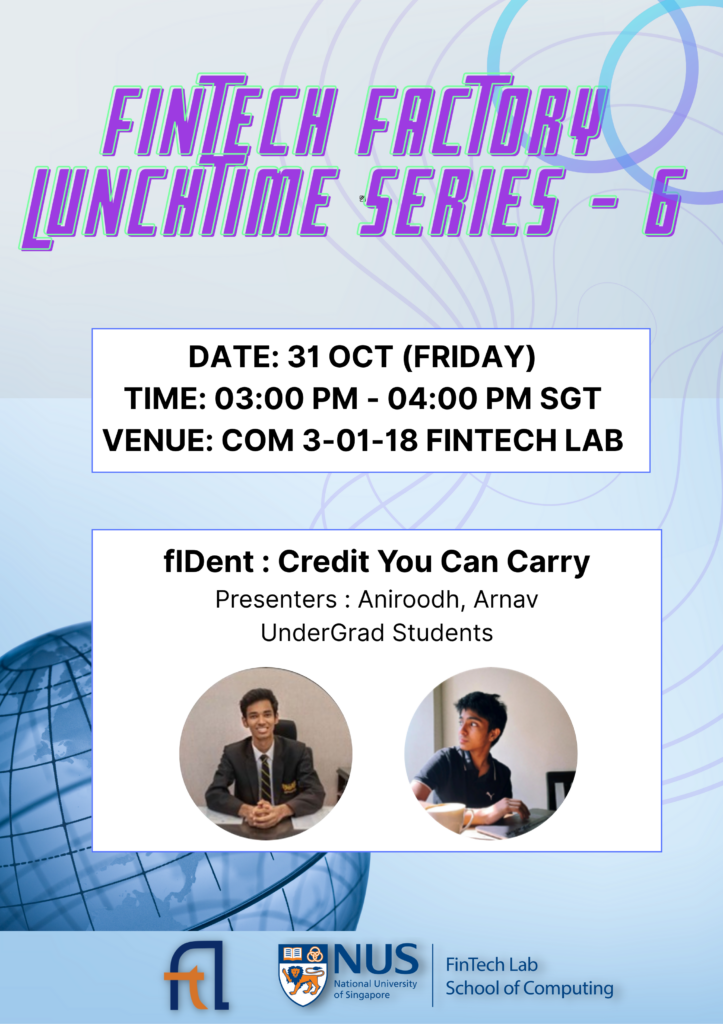
“fIDent : Credit You Can Carry”

Date: 31 October, 2025 (Friday)
Time: 03:00 PM to 04:00 PM SGT
Presenters:  Aniroodh Chaudhary, Arnav Jhajharia – NUS undergrad students

This session explores the emergence of fIDent as a reimagined framework for financial identity in the global gig economy. Amid rising demands for credit inclusion, fragmented KYC systems, and opaque data portability, fIDent proposes a unified, blockchain-anchored “financial passport” that travels with the worker across platforms and borders. Through a synthesis of behavioral analytics, open-finance integrations, and verifiable identity layers, the study examines how decentralized credentials can bridge the trust gap between informal earners and formal lenders. It probes key tensions—between privacy and transparency, decentralization and compliance, innovation and regulation—and situates fIDent within the broader evolution of digital identity infrastructure. Ultimately, the work envisions a more interoperable and equitable financial architecture where reputation, not paperwork, powers access.

Sign up here to join the session.  

Can’t join us in person? Join via Zoom


FinTech Factory LunchTime Series – 5

We’re excited to host the next session of our FinTechFactory Lunchtime Series with

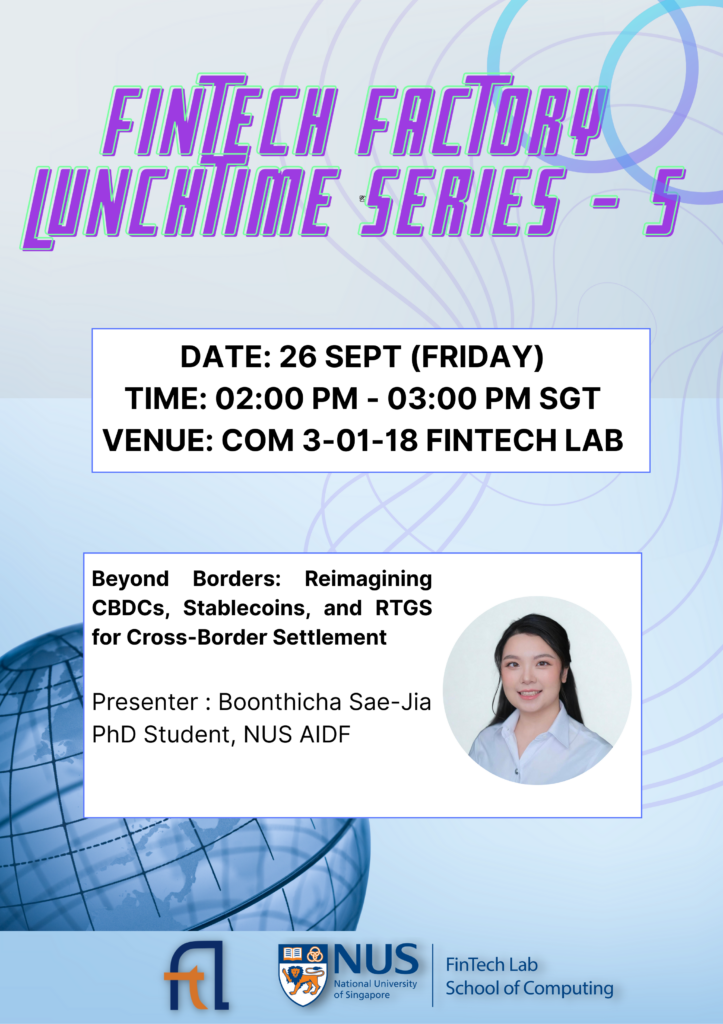
“Beyond Borders: Reimagining CBDCs, Stablecoins and RTGS for Cross-Border Settlement”

Date: 26 September, 2025 (Friday)
Time: 02:00 PM to 03:00 PM SGT
Presenter:  Boonthicha Sae-Jia, NUS PhD Student

This session examines the evolving landscape of cross-border payments amid the pressures of globalization, trade growth, and regulatory scrutiny. Despite existing infrastructures, today’s cross-border transactions remain costly and slow, prompting experimentation with upgraded RTGS systems, retail fast-payment linkages, stablecoin solutions, and wholesale CBDCs. Drawing on a literature review, the study situates CBDCs and stablecoins as competing yet potentially complementary models for international settlement. The discussion raises critical questions: Should central banks retain control through CBDCs, or cede ground to private-sector stablecoins? Can SWIFT reinvent itself, or will programmable payment systems displace its dominance? Ultimately, the work reframes cross-border settlement as a contest of design choices—between sovereignty and efficiency, interoperability and fragmentation—offering insights into the future architecture of global digital finance. 

Sign up here to join the session.  

Can’t join us in person? Join via Zoom


FinTech Factory LunchTime Series – 4

We’re excited to host the next session of our FinTechFactory Lunchtime Series with

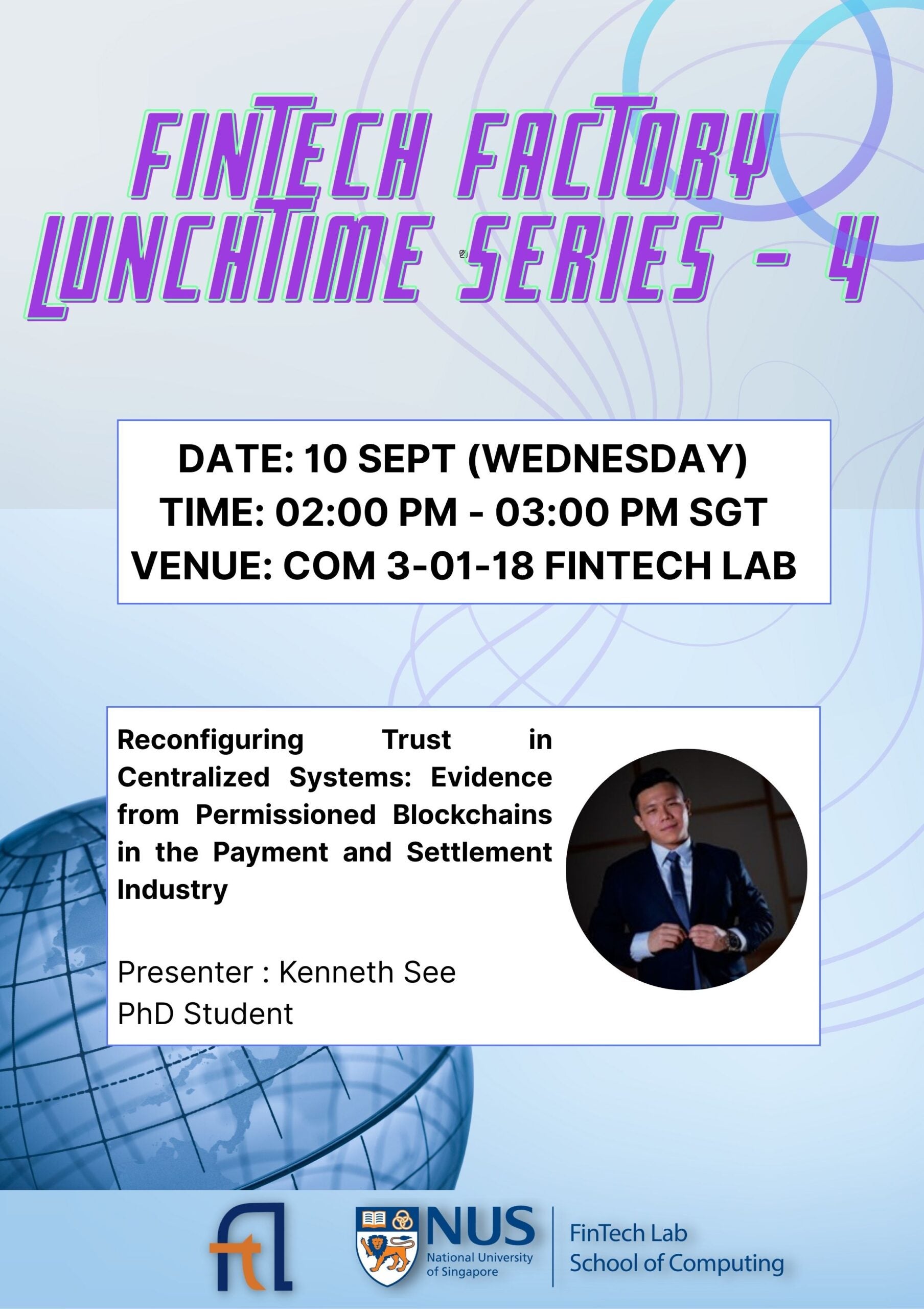
“Reconfiguring Trust in Centralized Systems: Evidence from Permissioned Blockchains in the Payment and Settlement Industry”

Date: 10 September, 2025 (Wednesday)
Time: 02:00 PM to 03:00 PM SGT
Presenter:  Kenneth See, NUS PhD Student

This session tackles the core paradox of blockchain in centralized, high-value financial systems: if blockchain is “trustless”, why do we see prolonged adoption even in centralized systems—where institutional trust is indispensable? Drawing on a qualitative case in payments and settlements, the work reframes blockchain as a hybrid socio-technical infrastructure that redistributes, rather than replaces, trust. We propose a recursive conceptual model that explains how organizational governance, regulatory constraints, and protocol design co-evolve to reconfigure trust, paving the way for continued adoption, over time. This study contributes a theoretically grounded, policy-relevant lens for understanding sustained blockchain use in regulated markets, moving beyond simple “transfer of trust” narratives to a dynamic account of trust reconfiguration.

Sign up here to join the session.  

Can’t join us in person? Join via Zoom

#PaymentSystems #FinTechResearch #NUSFinTech #DesignScience #ComplexSystems

NUS FinTech Lab Interns Take XRPL Innovation Global

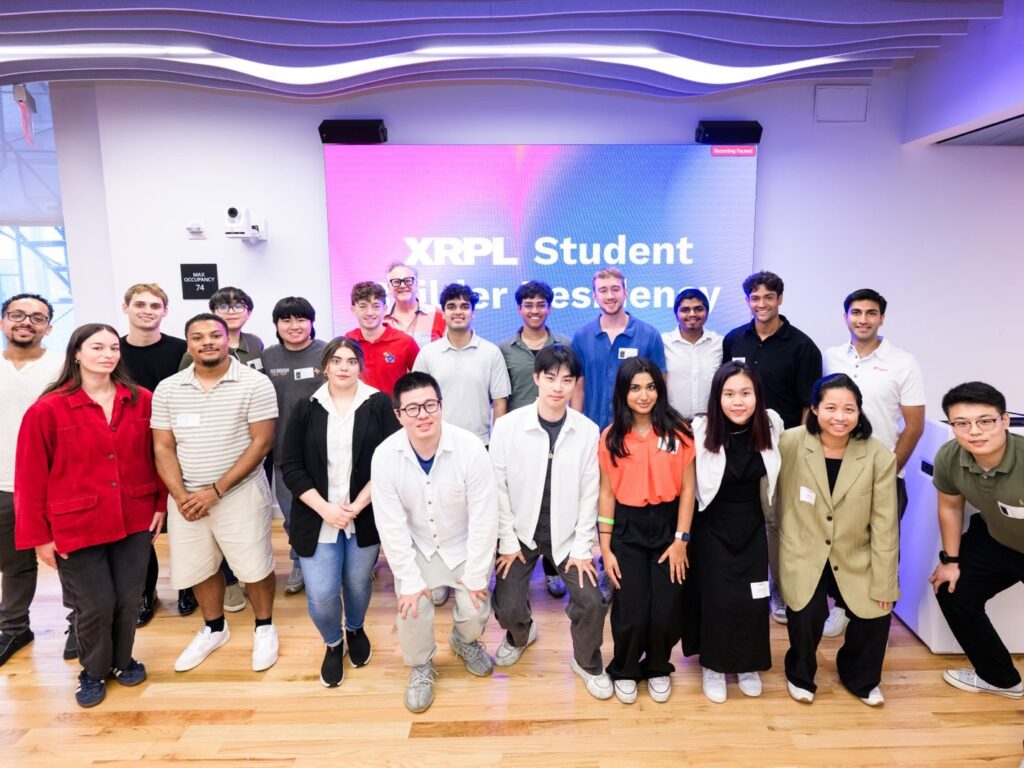
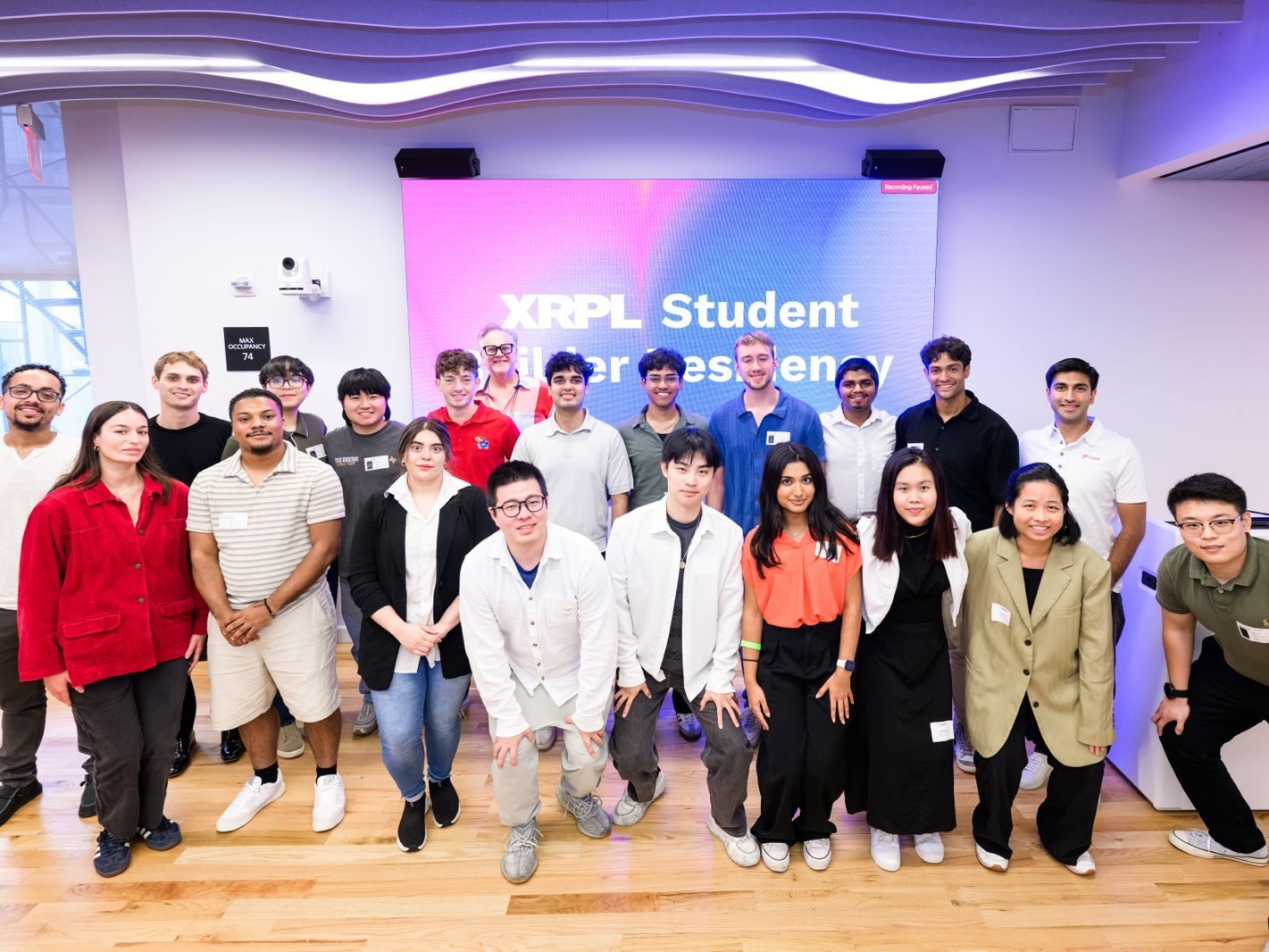
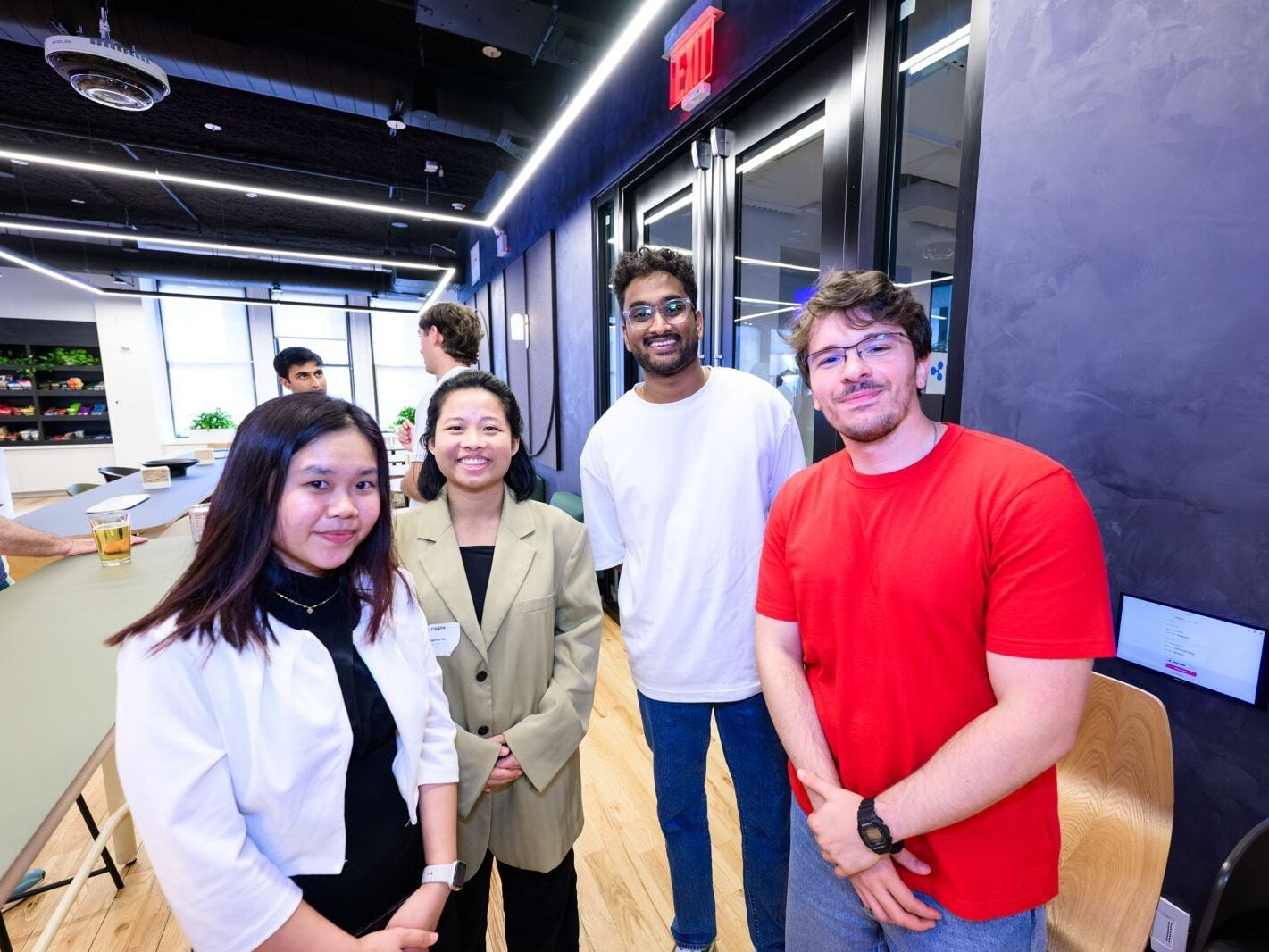
At NUS FinTech Lab, we empower students to explore, experiment, and innovate. Recently, our interns Ong Si Hui (Ariel) and Do Trong Uy (Wyn) represented the Lab at major XRPL programs in New York and Paris, gaining hands-on blockchain experience and global perspectives.

Ariel – XRPL Student Builder Residency 2.0, New York

Three days of travel from Singapore to New York between 13 Aug and 15 Aug, 2025 were just the beginning of Ariel’s journey at the XRPL Student Builder Residency 2.0.

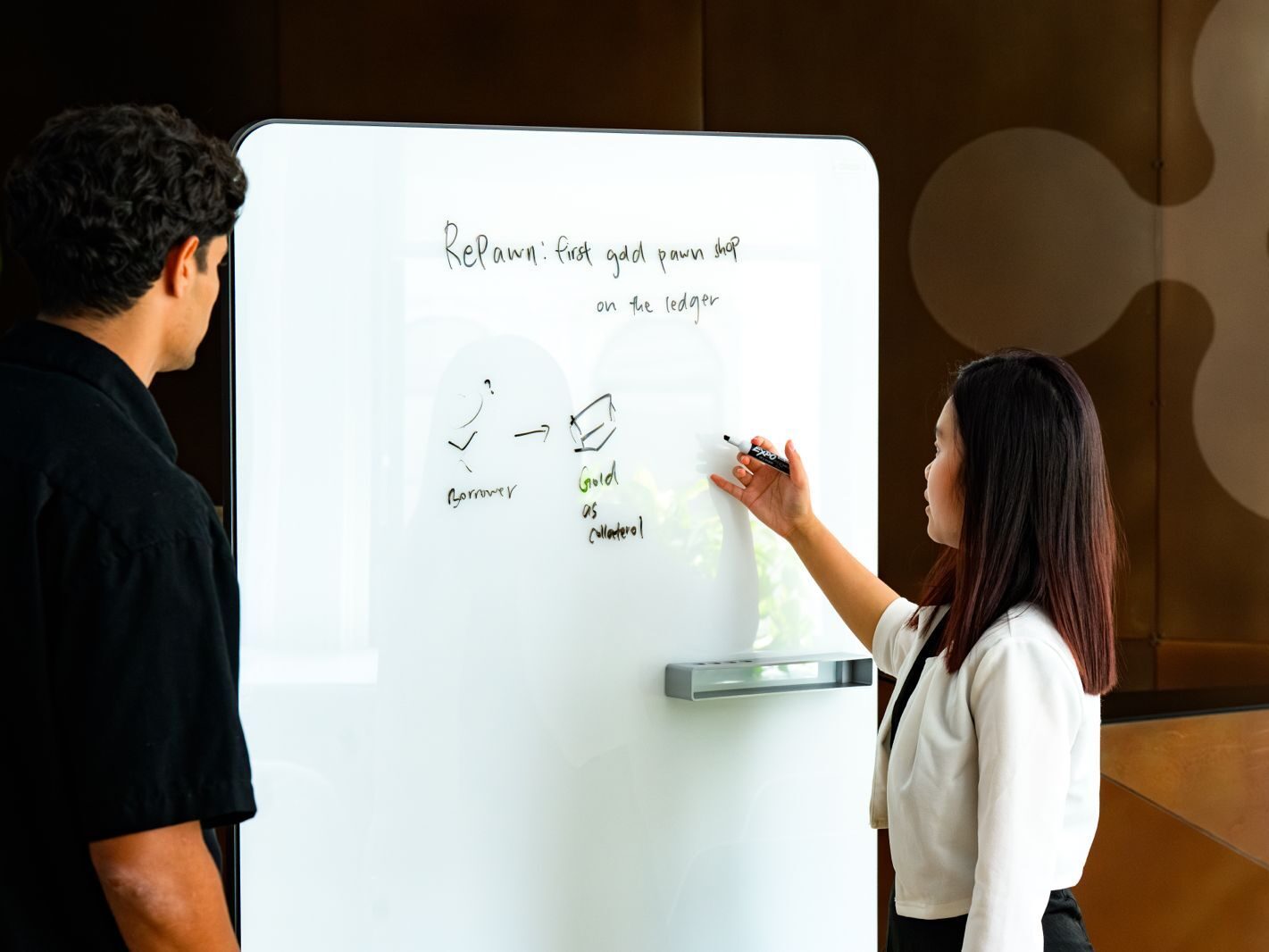
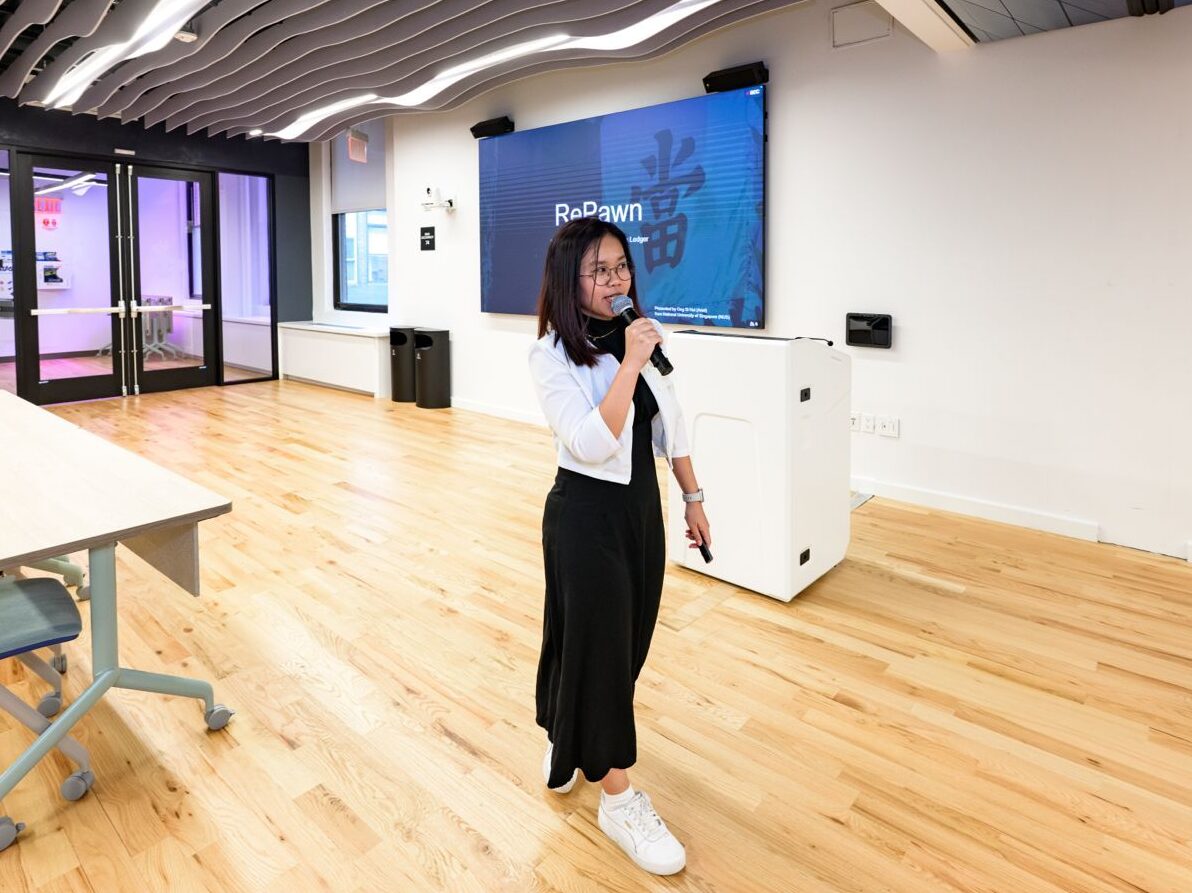
Over four weeks, she transformed an idea into RePawn, the first gold-pawn shop on the XRP Ledger. The project allows gold to be pledged as collateral, automates compliance with XRPL Hooks, and manages risk on-chain.

Her demo at Demo Day showcased the potential of blockchain to traditional finance and highlighted the collaborative innovation of student builders worldwide.

“The late-night debugging, constant feedback, and collaborative spirit made every challenge worth it.”

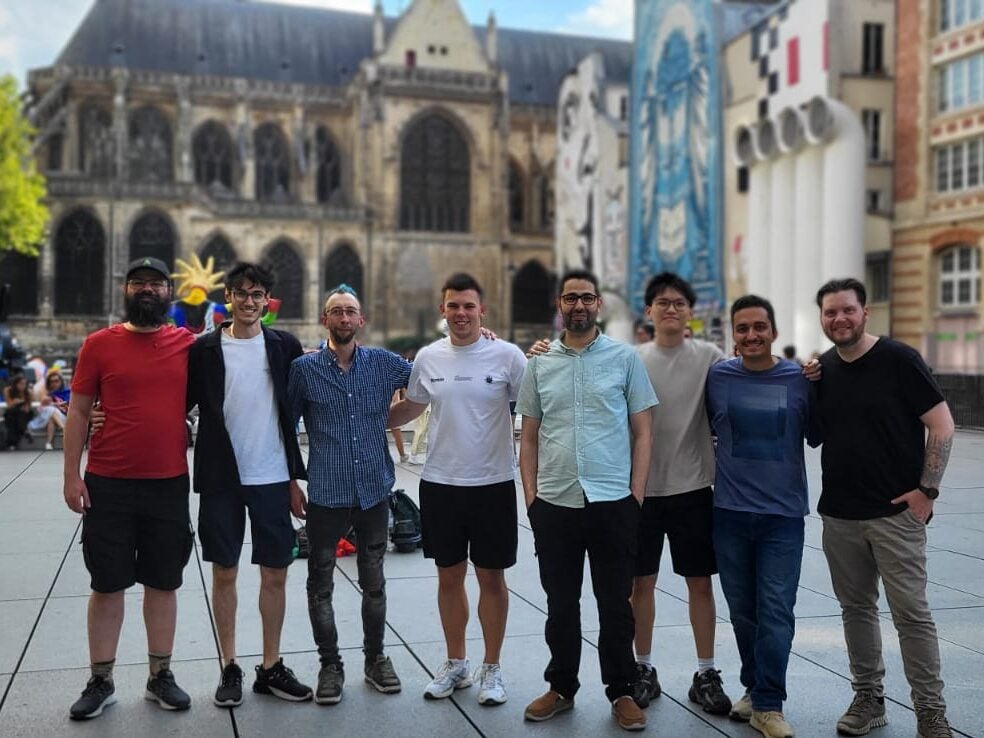
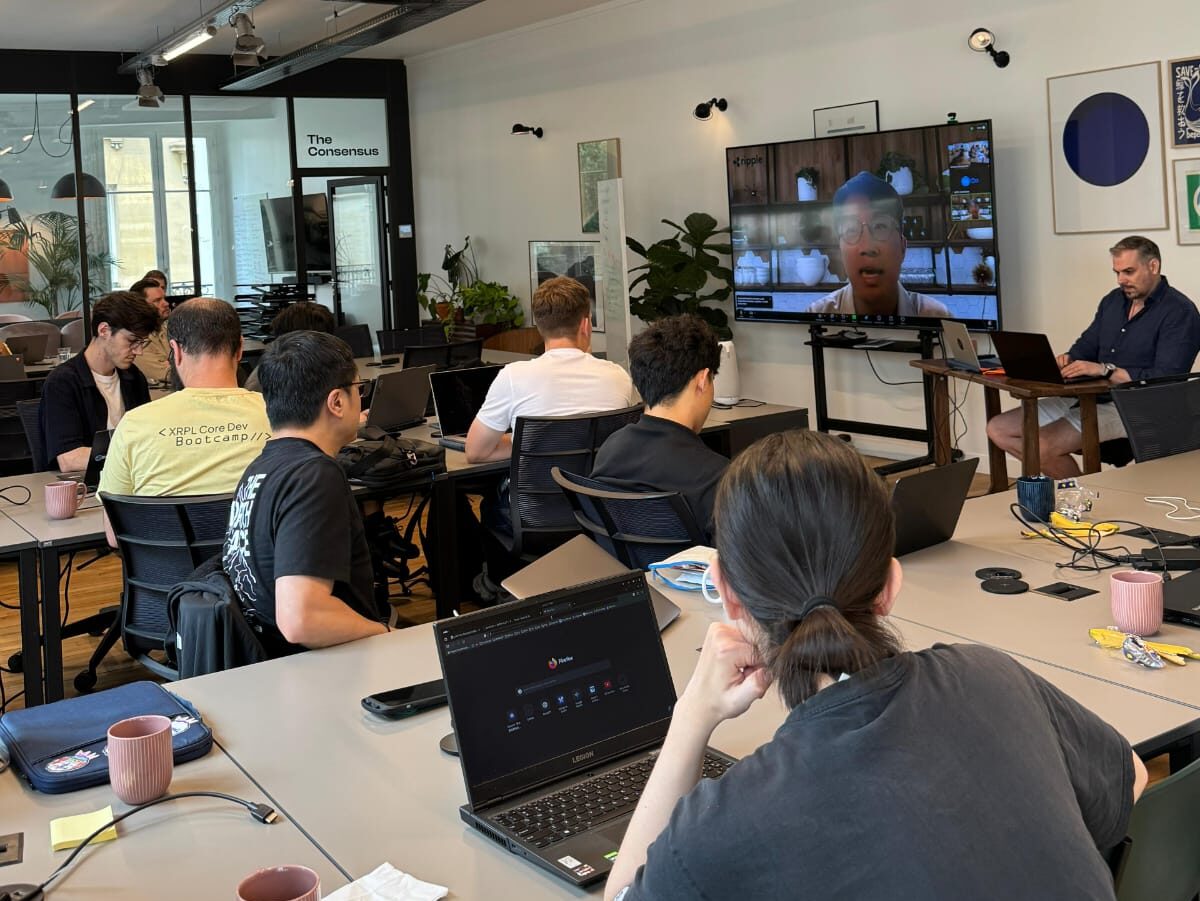
Wyn – XRPL Core Dev Bootcamp, Paris

Across the world in Paris, Wyn dove into the XRPL Core Dev Bootcamp. Over two intense weeks from 11 July to 25 July, 2025, he explored the inner workings of the XRP Ledger—running validator nodes, understanding consensus mechanisms, and navigating ledger structures.

Beyond technical skills, the bootcamp offered inspiration. “Meeting cryptographers and engineers who are shaping the future of blockchain was eye-opening,” Wyn says. Collaborative projects and mentorship helped him see not just how the ledger works, but how innovation happens—through curiosity, persistence, and teamwork.

“Meeting cryptographers and engineers shaping the future of blockchain was eye-opening. It reinforced the value of curiosity and continuous learning.”

Learning, Exploring, Innovating

NUS FinTech Lab strives to offer opportunities for our interns to explore, experiment, and grow in global settings. We continue to empower our students to push boundaries, turn ideas into reality, and shape the future of FinTech.

FinTech Factory LunchTime Series – 3

BrownBag Series Recap

Date:  31 July, 2025

Speaker: Alya R Prastiti, Intern @ NUS FinTech Lab

This brownbag explored the complexities of Singapore’s Option-to-Purchase (OTP) workflow for residential property transactions, shedding light on the inefficiencies that persist. The discussion revealed how manual hand-offs, fragmented compliance checks, and legal constraints hinder efficiency and transparency, while also outlining pathways for digital transformation.


Mapping the Gaps: Understanding and Redesigning Property Transaction Workflows in Singapore

Understanding the Problem

The current OTP process involves multiple stakeholders—property agents, conveyancing lawyers, mortgage officers, and government agencies such as the Singapore Land Authority (SLA) and the Inland Revenue Authority of Singapore (IRAS). Despite the availability of digital tools, the workflow remains heavily reliant on manual steps. Lawyers, for instance, are required to conduct searches across various portals:

  • INLIS for title checks,


  • eLitigation for litigation history,


  • MinLaw’s e-service portal for bankruptcy searches, and


  • STARS eLodgment for lodgments.


This fragmentation creates delays and additional costs, often forcing practitioners to turn to third-party services. Moreover, the continued requirement for wet-ink signatures—mandated under current regulations—prevents the adoption of more efficient, paperless alternatives.

Challenges in the Current Workflow

The speaker summarized several structural bottlenecks:

  • Fragmented portals leading to duplicated effort.


  • Absence of real-time notifications, slowing the flow of critical information.


  • Mandatory wet-ink signatures, which prevent full digital adoption.


  • Heavy compliance burdens, particularly AML/CFT checks and the retention of records for five years.


These challenges collectively limit both efficiency and transparency, raising questions about the long-term sustainability of the current system.

Research Questions Raised

The session framed the inquiry around three guiding questions:

  1. What pain points most delay or compromise compliance and transparency?


  2. Which digital capabilities do practitioners most value for efficiency?


  3. How can digital tools be designed to integrate seamlessly with Singapore’s legal framework?


These questions served as the basis for stakeholder interviews and practitioner-led design exercises, aimed at identifying where digital interventions could have the most meaningful impact.

Towards a Digital Solution

To address these gaps, the session proposed a two-tier digital solution:

  1. Integrated Due Diligence Platform


    • A unified interface consolidating all searches and lodgments.


    • Embedded KYC/AML checks and automated compliance workflows.


  2. Real-Time Collaboration Dashboard


    • A secure environment enabling property agents, lawyers, and regulators to coordinate seamlessly.


    • Immediate updates on progress and compliance status.


This dual approach aims to streamline workflows while ensuring regulatory compliance.

Future Research Directions

Looking ahead, the next phase of work must go beyond digitizing existing workflows to developing a blockchain infrastructure blueprint that complies with Singapore’s property laws while supporting both traditional sales and emerging fractional ownership models.

Key research areas identified include:

  • Fractional Ownership – Investigating how to legally structure, govern, and record shared ownership rights on-chain in a manner consistent with Singapore’s property regulations.


  • Legal Entity Requirements – Exploring compliance frameworks for tokenized property ownership involving companies, trusts, or funds, ensuring alignment with KYC/AML standards and beneficial ownership rules.


  • Dissolution & Re-Sale Processes – Designing enforceable and technically robust mechanisms for fractional stake resale, buyouts, or dissolution, including smart contract–driven protocols that map onto existing conveyancing practices.

Key Takeaway

The session underscored that the future of property transactions in Singapore will hinge on bridging law and technology. While digitization can streamline existing workflows, the transformative leap lies in creating a blockchain-based infrastructure that enables secure, compliant, and legally recognized property sales—including fractional ownership models. Progress in this space will depend on targeted research into ownership structures, and legal entity compliance, paving the way for a tokenization-ready property market.
FinTech Factory LunchTime Series – 2

BrownBag Series Recap

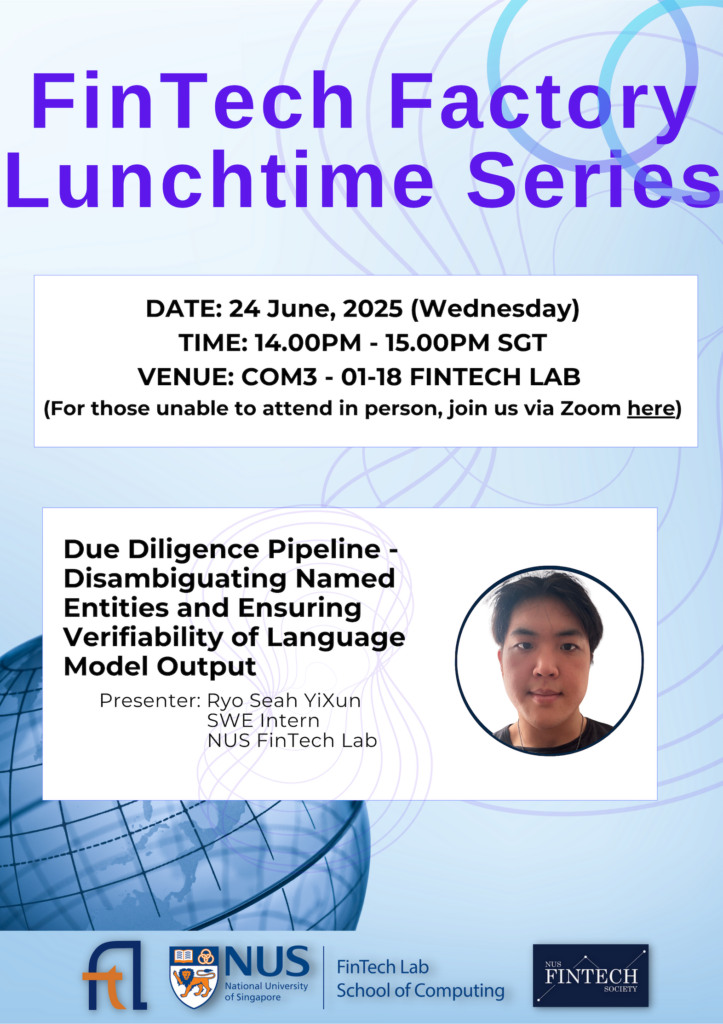
Date: 24 June, 2025
Speaker: Ryo Seah, Intern @ NUS FinTechLab

This BrownBag session focused on automating donor due diligence for philanthropic organizations, presenting a proof-of-concept OSINT pipeline. The discussion examined technical challenges including LLM hallucinations and  clustering thresholds while highlighting solutions such as hierarchical clustering, source reliability scoring, and integration with CRM systems for scalable risk management.

An Automated Pipeline for Generating Open Source Intelligence Dossiers for Donor Vetting

Understanding the Problem

Philanthropic organizations face a complex challenge in ensuring comprehensive donor due diligence while managing reputational risks. Current workflows are often manual, fragmented, and time-consuming, requiring staffs to piece together unstructured data from scattered sources. To address these inefficiencies, the lab explored how intelligent automation—combining web scraping, large language models, and clustering techniques—can streamline the due diligence process and improve the accuracy and scalability of donor profiling.

Key Challenges

Two persistent challenges stood out:

  1. LLM Hallucinations – While LLMs are effective at structuring scraped data, they occasionally produce unsupported claims.

    • Solution: Establishing a “chain of trust” by tying each fact directly to its original source.

  2. Ambiguous Profiles – Similar or identical names often led to merged donor records.

    • Solution: Agglomerative clustering with semantic embeddings flagged potential overlaps for human review.

Other hurdles included API rate limits, blocked scraping on certain sites, and the scalability of processing larger name lists.

Technical Implementation

The demonstrated pipeline (Stage 1: OSINT Automation) follows a three-step workflow:

  • Search: SerpAPI for Google results, Playwright for scraping dynamic content.

  • Aggregate: LLMs structure data into clean key-value pairs, removing noise.

  • Cluster: Embeddings identify duplicate or ambiguous profiles, generating YAML outputs for PDF dossiers.

This approach ensures traceability by linking every fact to its source, significantly reducing hallucination risks.

Research Questions & Discussion

The BrownBag session not only outlined the proof-of-concept pipeline but also raised critical questions from the internal audience, reflecting both technical and strategic considerations:

  • How can the system be made more user-friendly, perhaps through a GUI interface with simple input fields rather than relying on command-line operations?

  • What statistical approaches (e.g., elbow method) could refine clustering thresholds and improve the disambiguation of donor profiles?

  • Can Named Entity Recognition (NER) be integrated to automatically filter out irrelevant paragraphs during web scraping?

  • How should we design a source reliability scoring system that prioritizes information from more authoritative and trustworthy domains over less reliable sources?

  • Would a saturation-based link collection approach, instead of a fixed link limit, improve coverage and accuracy of profiles?

Key Takeaways

  • Proof of Concept: Successfully processed 5 names per batch with 70–80% scrape success, producing structured and verifiable YAML/PDF outputs.

  • Audience Feedback: Raised crucial ideas for GUI development, clustering refinements, NER, and open-source LLM exploration.

  • Future Roadmap: Enhancements include source reliability scoring, fuzzy matching across sources, and integration of risk indicators.

  • Strategic Outlook: Beyond automation, the project aims to build a full Intelligence & Risk Engine to support long-term donor due diligence.

The session closed with a shared recognition: while automation cannot replace human oversight, it can significantly reduce repetitive effort, improve accuracy, and enable staff to focus on high-value decision-making.

FinTech Factory LunchTime Series – 1

BrownBag Series Recap

Date: 25 May. 2025
Speaker: Reshma Balaraman, Research Associate, NUS FinTechLab

This BrownBag session explored retail investor behavior in financial markets, analyzing how everyday traders respond to wins, losses, and changing market conditions. Using on-chain transaction data and controlled experiments on the NUSWAP platform, the discussion highlighted how behavioral biases like overconfidence, loss aversion, and the disposition effect shift across different environments—and how these insights can inform both market design and investor protection.

Understanding the Problem

Retail participation in financial markets is accelerating, driven by mobile apps and real-time platforms. While this democratization has opened opportunities, it has also introduced challenges:

  • Design features such as push notifications and gamified interfaces shape how traders think, react, and decide under pressure.

  • Unlike educational settings, retail traders rarely receive behavioral feedback, leaving them vulnerable to biases that influence decision-making.

  • At scale, these individual tendencies can aggregate into market-wide instability.

Understanding these dynamics is therefore critical—not only for academic research, but also for consumer protection and regulatory priorities.

Key Behavioral Biases Studied

The session examined five core biases, operationalized through trading signals:

  • Disposition Effect – Selling winners too early, holding losers too long.

  • Gambler’s Fallacy – Expecting a win after a losing streak.

  • Loss Aversion – Losses felt more intensely than gains, causing hesitation.

  • Overconfidence – Past success inflates perceived trading skill.

  • Risk Aversion – Preference for smaller bets after losses.

Bias detection relied on on-chain behavioral data such as trade timing, position size changes, and delays between trades.

Dataset & Methodology

  • 200,000+ transactions, across 20,000+ wallets over 12 months.

  • Filtering excluded bots and inactive traders, yielding a focused sample of 2,031 active wallets.

  • Biases were detected directly from trading patterns, not surveys or self-reports.

This approach allowed for robust behavioral inference at scale, grounded in real-time decision-making.

Key Findings

  1. Context-Dependent Biases
  • Disposition effect strongest in calm markets (65% of traders), but drops in high volatility (15%).

  • Biases are dynamic, not fixed; traders adapt to changing conditions.

  1. Overconfidence & Market Regimes
  • Surges in momentum markets (≈60%), but falls in mean-reversion environments.

  • Can improve outcomes during strong trends, but backfires when conditions flip.

  1. Loss Aversion & Drawdowns
  • Loss-averse traders experience much deeper drawdowns (~20% vs ~5%).

  • Reluctance to cut losses turns small setbacks into long-term risks.

  1. Biases as Double-Edged Swords
  • Behaviors labeled “irrational” in calm markets may protect traders in volatile ones (e.g., avoiding whipsaws).

Role of NUSWAP: From Observation to Intervention

The discussion emphasized why NUSWAP was built as a research platform:

  • Streams live market data to simulate real pressure.

  • Provides a risk-free environment for participants.

  • Enables both manual and algorithmic trading, allowing structured strategies.

Through SIMTRADE contests (NUS, FGV Brazil, Morgan State University), NUSWAP has generated datasets from 125+ participants, confirming its potential as a behavioral finance lab.

Research Questions & Discussion

During the session, the audience raised key questions for future exploration:

  • How can nudges be designed to prevent harmful bias-driven behavior?

  • Can interventions be personalized to different trader profiles?

  • What frameworks would allow integration of behavioral safeguards into consumer protection regulation?

  • How can NUSWAP be scaled across universities to build a global dataset for collaborative research?

Key Takeaways

  • Retail investors matter: Their behaviors influence not only individual outcomes but also market dynamics.

  • NUSWAP bridges the gap: From detecting biases to testing interventions in a controlled yet realistic setting.

  • Towards investor protection: The long-term goal is to design platforms and policies that support safer, smarter trading.


NUS FinTech Society Wins Big at ETH Oxford 2025

Congratulations to the NUS FinTech Society (FTS) Blockchain team on their success at the ETH Oxford Competition 2025! Over the course of the event, they demonstrated focus, skill, and creativity, earning three awards across multiple tracks. Their achievements reflect the dedication and talent of the team and offer a glimpse into the future of blockchain and decentralized finance.

Let’s hear from the winners about their experience at ETH Oxford 2025.

ETH Oxford 2025

ETH Oxford is the largest blockchain hackathon at Oxford University, organized annually by the Oxford Blockchain Society. Held at the university’s prestigious Mathematical Institute, with a prize pool exceeding $100,000 USD, this three-day event brings both experienced and new developers to build and collaborate together.

In the midst of a chilly February, five representatives across three teams from NUS Fintech Society hacked tirelessly for around 40 hours in Oxford. Their hard work paid off when each team managed to win their targeted bounty prize, with one managing to win the main consumer prize, totalling to more than $10,000 USD, roughly 10% of the total prize pool.

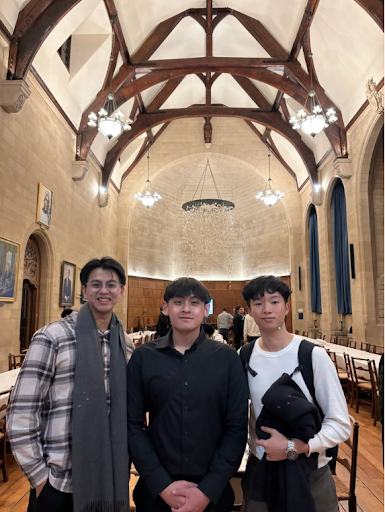
Moreover, the winners of the main tracks were invited to an exclusive gala dinner at the prestigious Rhodes House, home to one of the world’s most distinguished scholarship programs – the Rhodes Scholarship, a symbol of academic excellence at Oxford University. The historic venue provided an elegant backdrop for attendees to celebrate their collective success, network with prominent Web3 founders and investors, and strategize their next steps moving forward.

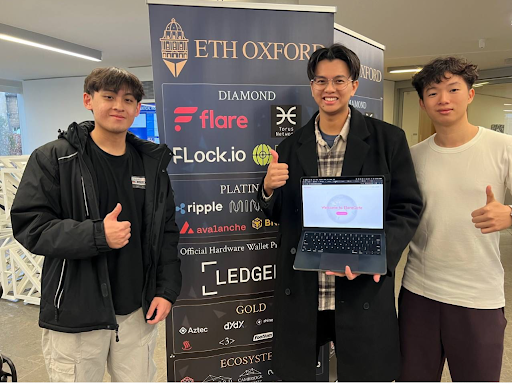
Left to Right: NUS SoC team - Jefferson Lee Chun Yin, Jerial Chan Zhi Yang, Kevin Lim Teng Hong

The Process

The hackathon officially kickstarted at 6pm on 7 February 2025. Our efforts, however, started one week before. Once some of the problem statements were released, we started researching, learning and bouncing ideas off each other. Two days before the hackathon commenced, Jeff reached out to Philip, the person in charge of the Flare track, seeking his opinions on our idea, requesting API keys to their data connector, and inquiring about other related technical details, and Philip was kind enough to assist us.

For the next 3 days, we spent our days hacking at the basement floor of the Mathematical Institute, while our nights were spent at the hacker house, provided by the ETH Oxford team.

Our daytime hours were packed with intense hacking sessions, with a few insightful workshops. From time to time, we also looked for representatives from each of our bounty tracks to seek technical help as well as feedback. The organising team kept us well fed with freshly cooked paella for lunch and on-the-spot wood fired pizzas for dinner. It was fantastic!

However, one major challenge that we faced was the instability of WiFi connection. With so many participants connected to the same network, internet bandwidth struggled. Determined to find a more reliable connection, we constantly relocated, from the main hacking area to an empty workshop room. We eventually went up to the main lobby, which was where we discovered the best WiFi spot.

The night before our submission, we powered through the final stretch with instant coffee and instant noodles, making sure that our project was completed and of the highest quality before submission. We took turns taking short naps intermittently till 6am, then we ultimately succumbed to the sleep demons for the next 2-3 hours. The next morning, we managed to fix the last few bugs, prepared our presentation slides, and filmed our demo video. Then, we headed down to the venue one last time for our final presentation. And finally, it was over!

The Outcome

These are the 3 winning projects submitted by the teams.

FlareGate

by Jerial Chan Zhi Yang, Jefferson Lee Chun Yin, Kevin Lim Teng Hong

1st for main track (consumer), 1st for Flare Track

FlareGate is a decentralized peer-to-peer (P2P) platform designed to facilitate seamless on-ramping and off-ramping between fiat currencies and cryptocurrencies. Leveraging Flare Network’s Data Connector (FDC), FlareGate ensures trustless and efficient transactions by securely integrating off-chain data into on-chain smart contracts.

More information can be found here.

NUS SoC Team - Left to Right: Jerial Chan Zhi Yang, Jefferson Lee Chun Yin, Kevin Lim Teng Hong

Guess The Human

by Chua Wei Rong (NUS), Jason Chai Jian Hao (University of Bristol)

1st for AirDao Track

Guess The Human is a disruptive new blockchain-based AI-driven Turn Based Social Deduction game where players attempt to identify the human-controlled player among AI agents moving randomly on a 2D grid. The game consists of two main roles: players and guessers.

More information can be found here.

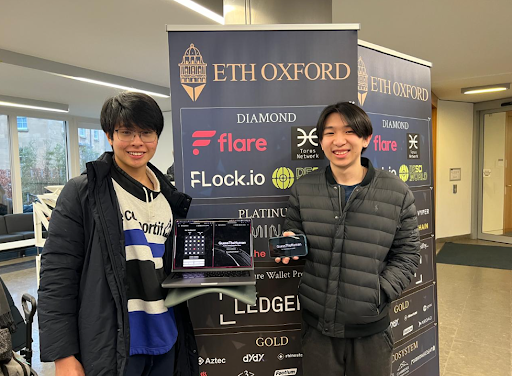
Left to Right : Chua Wei Rong (NUS SoC Team), Jason Chai Jian Hao (University of Bristol)

Mina Verify

by Marcus Pang Yu Yang (NUS SoC Team – No photo taken)

2nd for Mina Track

This project implements the BLS12-381 signature scheme, enabling developers to verify such signatures through MINA’s smart contract. This enables important use-cases such as cross chain bridges, allowing other chains to settle on MINA, and signature aggregation.

More info can be found here.

Scroll to Top